Article · 4 min read
Training that actually sticks.
Why hands-on practice beats watching a demo, every time.
The Training Desk Team · How We Teach
Why hands-on practice beats watching a demo, every time.
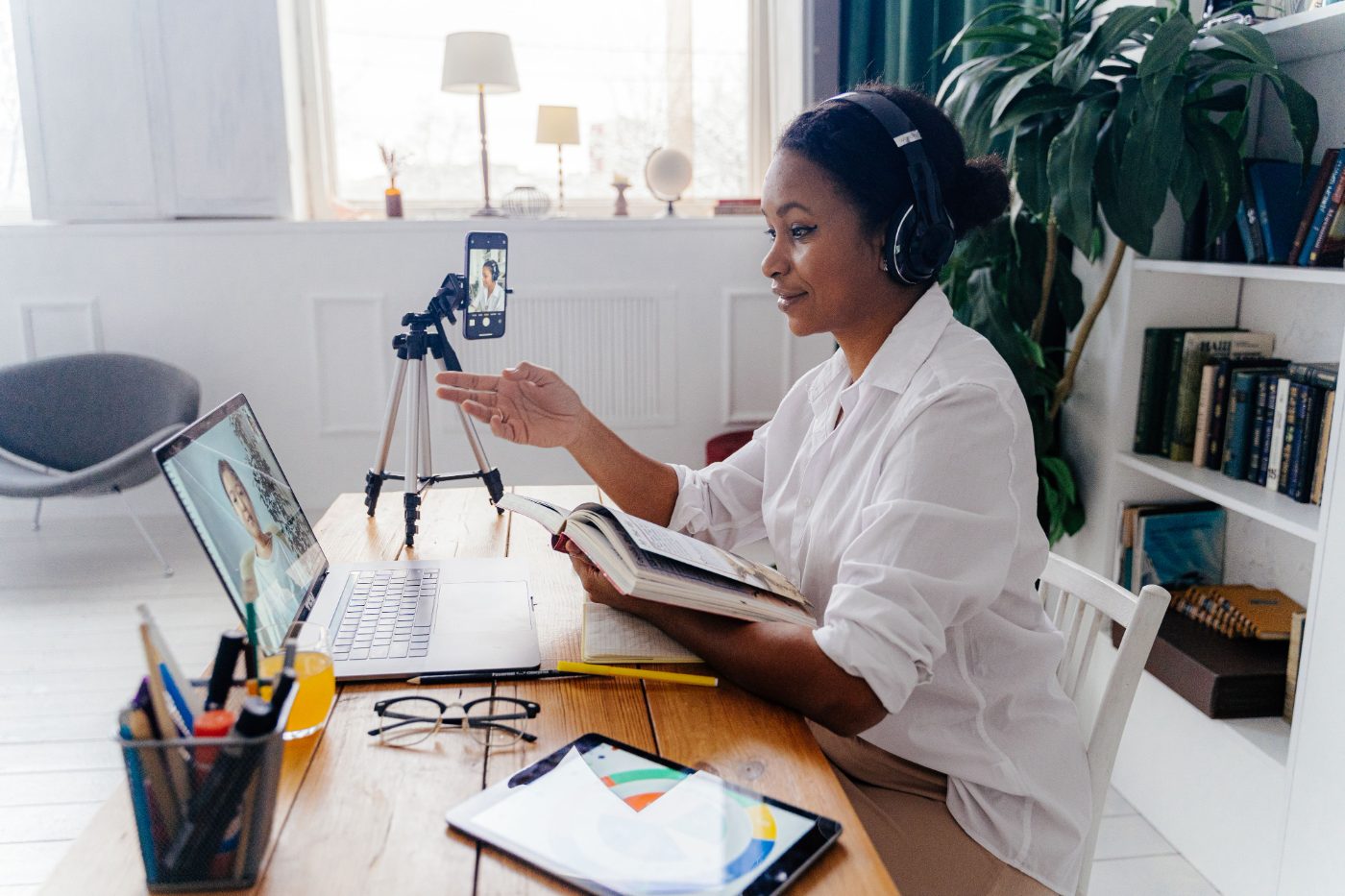
There is a moment in most software training where everyone nods along. The trainer is talking, the screen is moving, and the room seems to be following. Then the session ends, someone sits down to actually do the work, and it is gone.
That is not a failure of attention. It is a failure of method. Watching someone do a task and doing it yourself are two completely different experiences for your brain, and only one of them is what you will be asked to repeat on Monday morning.
If I sit and explain a process to you, you will follow it. You will understand it. You may even feel confident about it, because the person doing it is making it look easy. What you will not have is the muscle memory of having done it.
So you leave thinking, I'll remember this. And when the moment comes, you remember that you watched it. You do not remember the order of the steps, which button was where, or what to do when the screen looks slightly different than it did in the demo.
"Here's how you'd add a new customer." The trainer clicks through it while the room watches. Everyone understands. Nobody has done it.
"Add a new customer now, and I'll walk with you." Everyone has their hands on the keyboard. The trainer talks them through it while they do it.
The difference is small and it changes everything. Do not demonstrate and then hand it over. Talk them through the steps as they perform them, on their own screen, at the same time.
They will hit the small snags that never happen in a demo: a field that behaves unexpectedly, a permission they do not have, a step they miss. Those snags are the most valuable part of the session, because they are the ones that would have stopped them alone at their desk.
People remember what their hands did far better than what their eyes watched.
Before a section starts, name what they will be able to do when it ends. Not "we're going to look at the Customer Hub," but "by the end of this, you'll be able to add a customer, update their details, and find them again next week."
That does two things. It tells people what to pay attention to, and it gives you a clear test. If they cannot do the thing you named, the section is not finished, no matter how thoroughly you covered it.
Once is exposure. Twice is learning. If a task matters, walk through it more than once during the session, ideally with something slightly different the second time so they are thinking rather than copying.
A session built this way feels slower in the room and faster afterward. You will cover less ground per hour, and you will get more questions, which is a good sign, not a bad one. What you will not get is the call three days later asking how to do the thing everyone nodded at.
Real learning is a little messy. If your training looks perfectly smooth, there is a decent chance nobody is actually practicing.
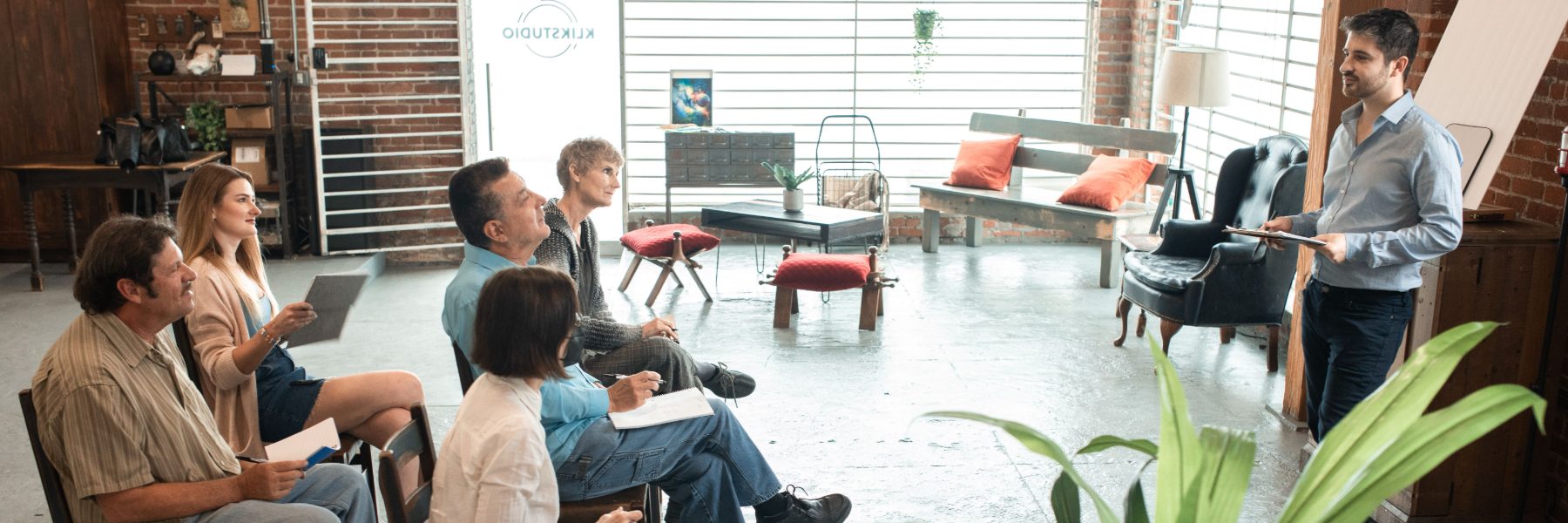
Small facilitation habits that keep every learner engaged.
Read →
Stop saying "click here." Teach learners to read the screen.
Read →
See how we run a live, hands-on session for your team.
Explore →Tell us about your software and your team, and we'll plan training people can actually use the next morning.
Book a Discovery Call →